Get Commercial Siding Installation
Commercial siding installation services help property owners upgrade or replace building exteriors to improve durability, appearance, and protection against weather-related issues.
Looking to upgrade the exterior of a commercial property? Commercial siding installation is a practical way to enhance curb appeal, improve energy efficiency, and protect the building from the elements. Property owners in the area often explore siding options to ensure their buildings are both durable and visually appealing, whether for a new construction project or a renovation. By comparing local contractors, property owners can find the right professionals to handle their specific needs and achieve a polished, long-lasting result.
Choosing the right service providers is an important step in planning a siding project. Local contractors offer a range of options suited to different building types and styles, making it easier to find solutions that align with specific goals. Property owners are encouraged to explore their options and gather information to make informed decisions about their commercial siding needs. Keep reading to discover how connecting with experienced local professionals can help bring your project plans to life.
- Commercial building facades - when a business needs to update or replace exterior siding to improve curb appeal.
- Industrial facilities - during renovations or expansions requiring durable siding installations.
- Retail centers - when storefronts need siding upgrades to attract customers and enhance appearance.
- Office complexes - for siding repairs or new installations to maintain a professional exterior.
- Warehouse and distribution centers - when siding needs replacement to ensure structural integrity and protection.
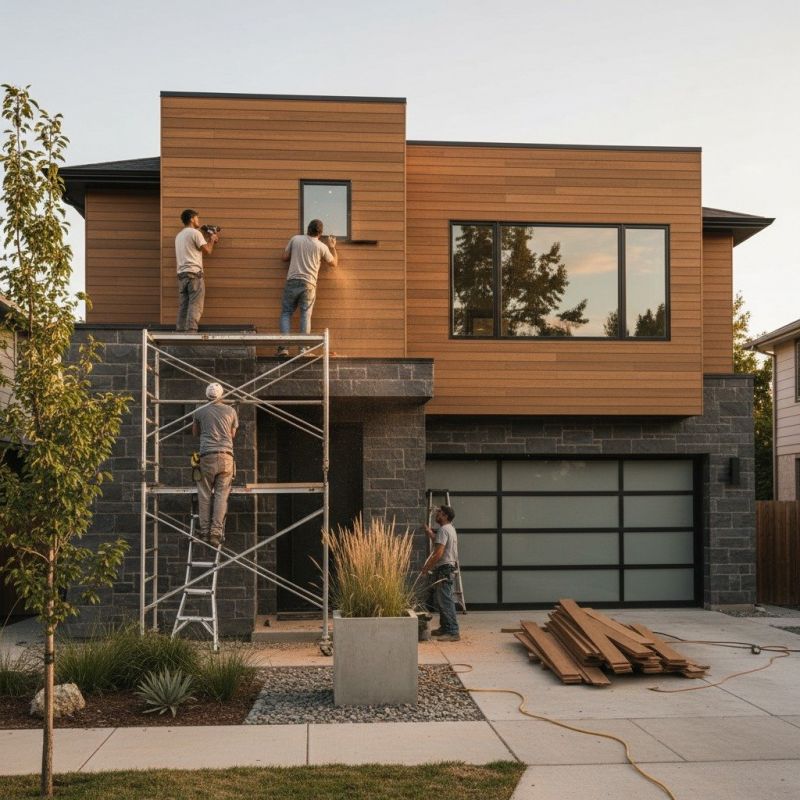
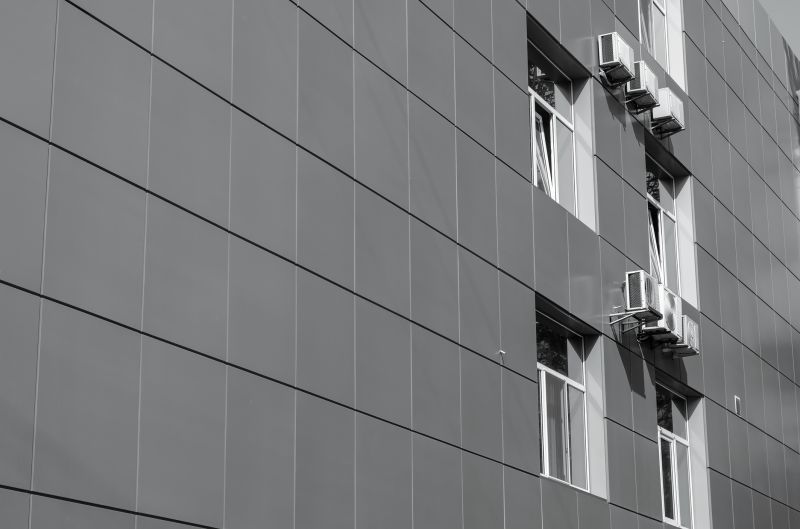
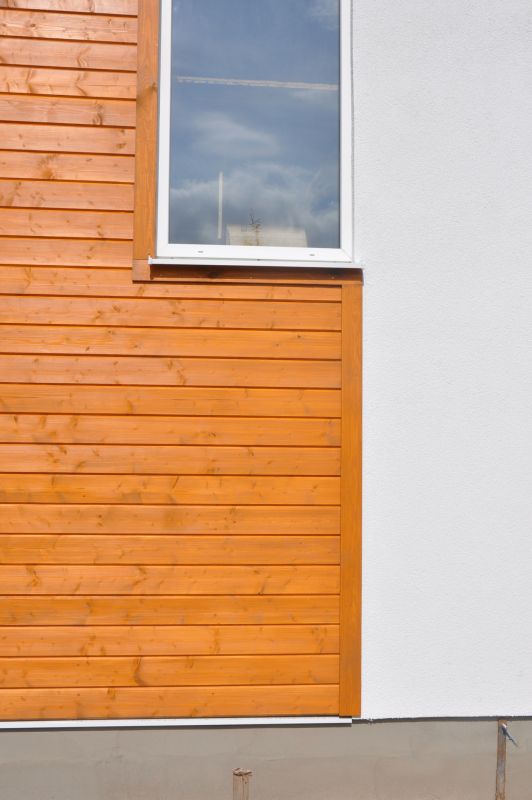
Commercial siding installation services involve attaching durable exterior cladding to the outside of commercial buildings. This process typically includes removing any existing siding, preparing the surface, and securely installing new materials that protect the structure from weather elements. Skilled contractors ensure the siding is properly aligned and sealed to prevent water intrusion, improve insulation, and enhance the building’s overall appearance. Proper installation is crucial for maximizing the siding’s lifespan and maintaining the building’s integrity over time.
These services help address common problems such as water leaks, mold growth, and energy inefficiency caused by damaged or outdated siding. Over time, siding can deteriorate due to exposure to harsh weather, leading to cracks, warping, or rot. Installing new siding can eliminate these issues, providing a more reliable barrier against moisture and drafts. Additionally, updated siding can improve the building’s curb appeal, making it more attractive to tenants, clients, or visitors.
Commercial properties that often utilize siding installation include office buildings, retail centers, warehouses, and industrial facilities. These structures benefit from siding that offers durability and low maintenance, especially in areas prone to severe weather or high traffic. Property owners may also seek siding upgrades during renovations or expansions to modernize the appearance of their buildings or to meet updated building codes and standards.
Homeowners who own multi-family units, apartment complexes, or other residential properties may also consider commercial siding installation services. When existing siding becomes damaged, outdated, or no longer provides adequate protection, replacement can help improve energy efficiency and reduce maintenance needs. Recognizing signs like peeling, cracking, or increased utility bills can signal the need for siding upgrades. Local contractors can assess the property’s needs and recommend the best siding options to enhance durability and appearance.
The overview below groups typical Commercial Siding Installation projects into broad ranges so you can see how smaller, mid-sized, and larger jobs often compare in your area.
In many markets, a large share of routine jobs stays in the lower and middle ranges, while only a smaller percentage of projects moves into the highest bands when the work is more complex or site conditions are harder than average.
Smaller Repairs - Minor siding repairs typically cost between $250 and $600, covering patching, sealing, or replacing small sections. Many routine maintenance projects fall within this range, depending on the extent of the work needed.
Partial Siding Replacement - Replacing a portion of siding usually ranges from $1,000 to $3,000, with costs influenced by the size of the area and material choices. Most projects of this type tend to stay in the middle of this range, while larger or more complex jobs may cost more.
Full Siding Replacement - Complete siding installation generally costs between $5,000 and $15,000, depending on the size of the building and the materials used. Larger, more elaborate projects can exceed this range, especially for high-end materials or intricate designs.
Commercial Siding Installation - Large-scale commercial siding projects typically range from $20,000 to $100,000 or more, based on building size, material selection, and complexity. Many commercial jobs fall into the mid to upper tiers, with some specialized projects reaching higher costs.
Actual totals will depend on details like access to the work area, the scope of the project, and the materials selected, so use these as general starting points rather than exact figures.
Commercial Façade Renovations - these projects involve updating building exteriors with siding materials similar to those used in commercial siding installation, requiring expertise in surface preparation and material application.
Storefront Cladding Installation - installing cladding on retail storefronts shares skills in precise measurements, material handling, and exterior finishing techniques common to siding projects.
Industrial Building Exterior Upgrades - upgrading large-scale industrial exteriors involves planning and executing siding or panel installations that enhance durability and appearance.
Metal Panel Wall Systems - installing metal panels on commercial or industrial buildings requires similar tools and techniques used in siding installation, focusing on secure attachment and weather resistance.
Architectural Wall Panel Projects - these projects involve complex wall systems that require detailed planning, surface preparation, and precise installation skills akin to commercial siding work.
Exterior Insulation and Finish Systems (EIFS) - applying EIFS involves surface preparation and finishing techniques comparable to siding installation, often on commercial structures requiring specialized skills.
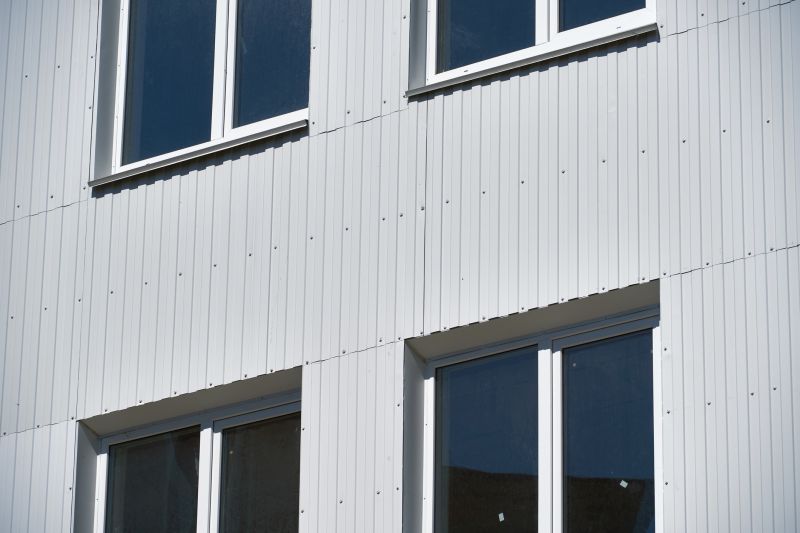
When comparing service providers for commercial siding installation, it’s important to consider their experience with similar projects. A contractor’s familiarity with the specific type of siding and the scope of your building can influence the quality and durability of the work. Homeowners should look for local contractors who have a proven track record handling projects comparable in size and complexity, ensuring they understand the unique requirements of commercial properties. This background can provide confidence that the chosen professional has the skills necessary to deliver a successful result.
Clear, written expectations are essential when selecting a contractor for siding installation. A reputable service provider will communicate their process, materials, and standards in detail, helping to establish a shared understanding of the project’s scope. Homeowners should seek out local contractors who provide comprehensive written estimates or proposals, outlining what is included and what is not. This transparency can prevent misunderstandings and set a solid foundation for the project, making it easier to compare options objectively.
Reputable references and good communication are key indicators of a reliable contractor. Asking for references from previous clients who have had similar work done can offer insights into the contractor’s professionalism, craftsmanship, and reliability. Additionally, a contractor’s responsiveness and clarity in communication during initial discussions can reflect their overall approach to customer service. While the site introduces homeowners to local options, it’s important to remember that it does not perform the work itself; instead, it helps connect homeowners with qualified service providers who can handle the job professionally and effectively.
Property owners use Commercial Siding Installation services for practical projects around their homes and businesses. This guide focuses on everyday jobs and straightforward project options.
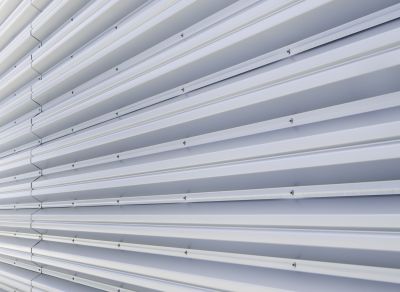
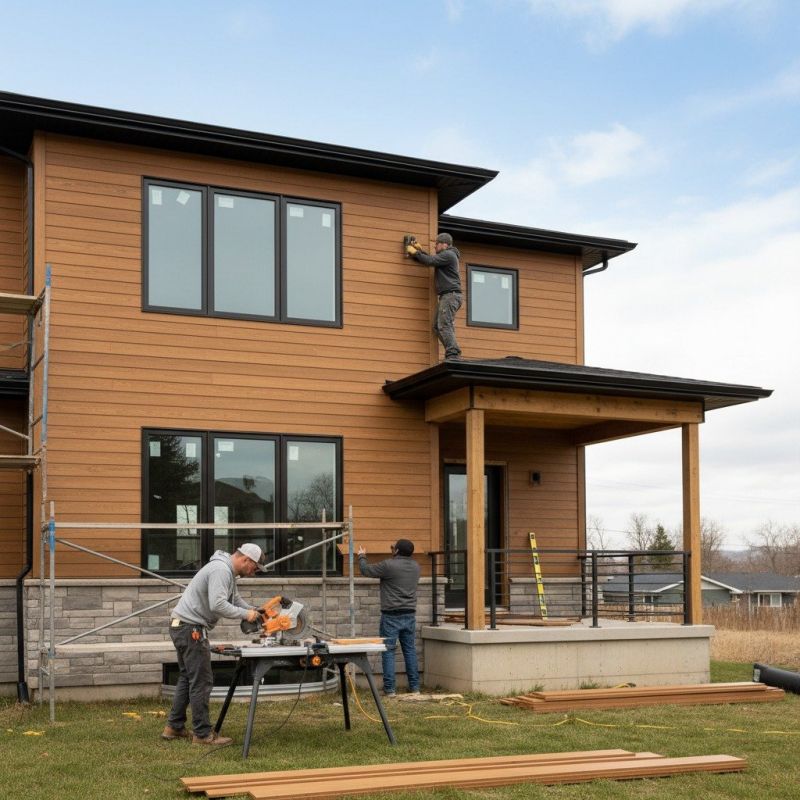
Commercial siding installation is a common project for property owners facing issues like damaged or worn exterior surfaces, or those looking to improve the appearance and durability of their buildings. Local contractors are often called upon when siding becomes outdated, cracked, or compromised by weather conditions, helping to restore the building’s structural integrity and curb appeal. Additionally, property owners may seek siding upgrades during renovations or when preparing a commercial space for new tenants, aiming to enhance the overall look and protect the structure from the elements.
Many property owners in the area turn to local service providers when their current siding no longer meets their needs or has suffered from age and exposure. Whether replacing old, faded siding or installing new materials for a fresh appearance, these professionals handle a variety of project situations. Choosing experienced local contractors ensures that siding work is completed efficiently and effectively, supporting property owners in maintaining or improving the value and functionality of their commercial buildings.
What types of commercial siding materials do local contractors install? Local service providers typically install a variety of materials including vinyl, metal, fiber cement, and composite siding to suit different building needs and preferences.
How can I determine the best siding option for my commercial property? Consulting with local contractors can help evaluate factors such as durability, maintenance requirements, and aesthetic preferences to select the most suitable siding for your building.
What are the benefits of professional commercial siding installation? Professional installation ensures proper fitting, enhances the building’s appearance, and can improve energy efficiency and protection against weather elements.
Do local contractors offer custom siding solutions for commercial buildings? Yes, many service providers can customize siding options to match specific architectural styles, branding, or functional needs of commercial properties.
How do local pros handle existing siding when installing new commercial siding? They typically assess the current siding’s condition and may remove or retrofit existing materials to ensure a proper and secure installation of the new siding.
Enhance Curb Appeal - Upgrading to modern siding can improve the overall look of a home, making it more attractive to visitors and potential buyers.
Improve Insulation - Installing new siding can help property owners better regulate indoor temperatures and reduce energy costs.
Protect Against Weather - Local contractors can install durable siding to shield the building from rain, wind, and other elements.
Update Exterior Finishes - Choosing new siding styles allows property owners to refresh the appearance of their building for a contemporary look.
If you are thinking about Commercial Siding Installation for a property, this guide is meant to help you understand the work, the typical project types, and how different options might fit your plans.
When you are ready, you can use the quote form on this page to share a few details about your project. From there, local pros can review the basics and respond with options that match what you have in mind.